Carbon credits, simply and predictably

Verified supply, matched to your scope, bought when you need it. Hold the asset on your balance sheet or retire it the moment a claim is due, with the evidence already attached.

For buyers

The usual way is five problems in a row

Buying credits sounds like one decision. In practice it is a sequence, and each step can undo the last.

  • Find. Supply is scattered across brokers and registries, for projects you will never visit.
  • Fit. Scope rules are strict and mostly unwritten. The wrong instrument turns a good credit into a greenwashing problem.
  • Buy. Every purchase is bilateral and bespoke. Nothing about it repeats.
  • Prove. The evidence gets rebuilt by hand at reporting time, months after the trade.
  • Defend. If the claim is challenged, the exposure is yours, whoever sold you the credit.
The turn

One rail instead of five problems

Triangle unifies the fractured carbon economy into a single rail. Supply, compliance, and settlement sit in one place, and every credit is minted into a regulated asset that carries its own methodology, verification, and serial number.

You do not work the sequence harder. You stop running it.

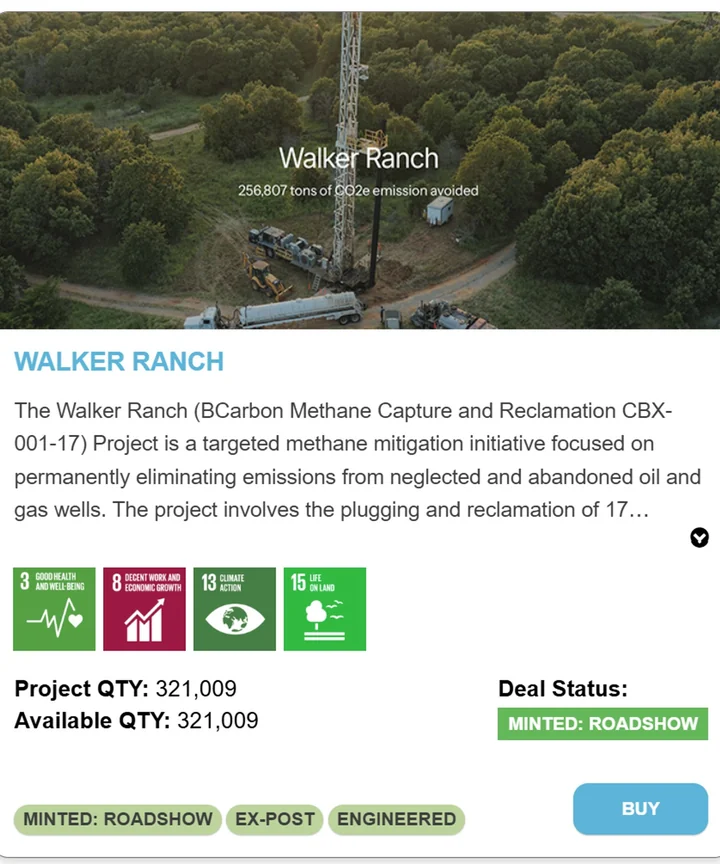
Utility-scale solar power station feeding verified supply
On the rail

The same five steps, solved

Listed

Find becomes browse

Active deals sit in one catalog with quantities, status, and the evidence attached. Buy credits or invest in the project from the same card.

Routed

Fit becomes automatic

EACs move Scope 2. Verified removal and reduction cover residual Scope 1 and 3, reported separately. Retirements are typed, so a credit is never applied to a claim for which it is not eligible.

On demand

One purchase becomes a supply

Block purchase, API drawdown per transaction, or a consumer pass-through at the point of sale, all drawn from an evergreen pool.

Evidenced

Proof becomes a byproduct

Serialized, ICVCM-aligned, a retirement record generated per transaction, and claim language that holds under the EU Empowering Consumers Directive.

Owned

Cost becomes an asset

Hold it on the balance sheet, borrow against it, finance it. Or retire on demand and take the claim, with the record to show for it.
Active deals

This is the shelf

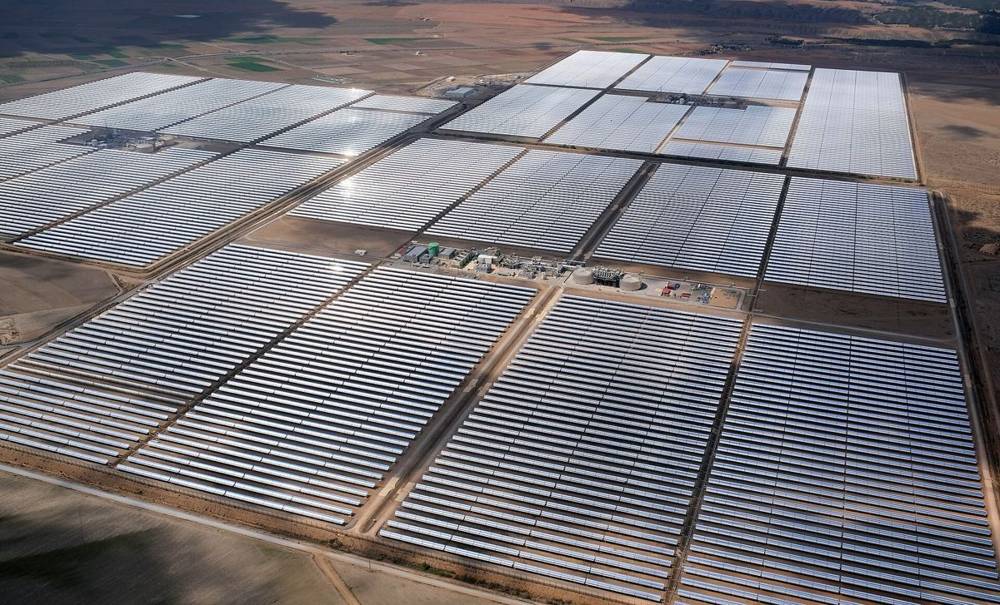
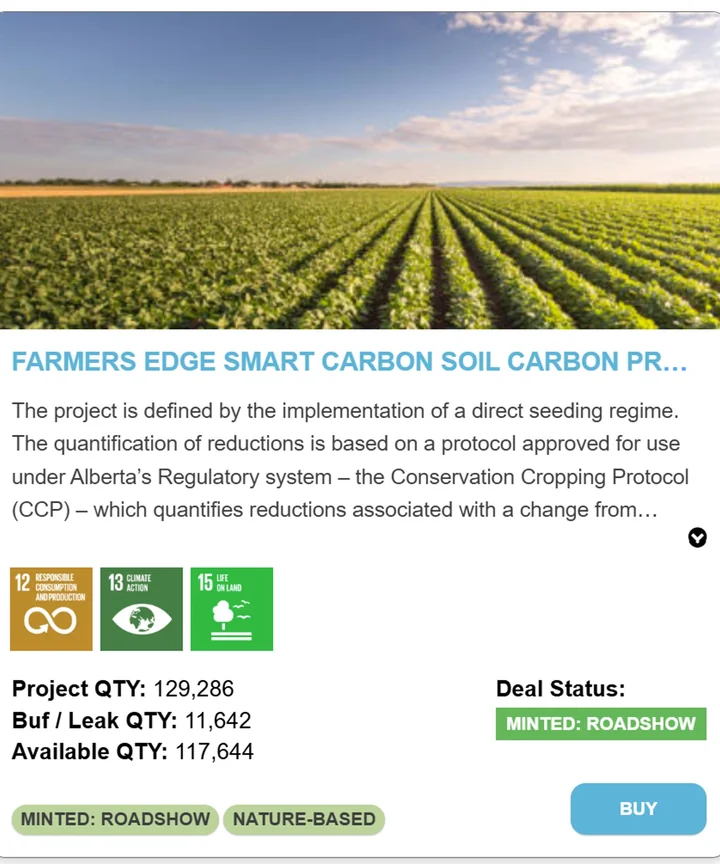
Farmers Edge, Walker Ranch, Project Zero Zero and more, with available quantities and Buy on each card. What you see is what the pool holds, and each listing takes investment at the project level as well.

View active deals
Farmers Edge Smart Carbon listing with available quantity and Buy actionWalker Ranch listing, 321,009 credits available, with Buy action
Compliance

The claim you can make

Every retirement produces a record: instrument type, serial, methodology, verifier, and the transaction it covers. That pack goes to your auditor as is.

  • Offsets never lower a reported Scope 2 figure. The router will not let them.
  • Generic neutrality claims founded on offsetting are banned in the EU since September 2026. The evidence here supports specific, dated statements instead.
  • Every retirement is typed, serialized, and evidenced. No credit is applied to a claim for which it was never eligible.
Reapplied to you

Same rail, your problem

Recognition

Independently assessed

Environmental Finance 2025
Innovation of the Year in Carbon Markets for the stackable carbon and co-benefit credit.
BMA-licensed
Triangle Digital Ltd. is licensed to conduct digital asset business by the Bermuda Monetary Authority.
ICVCM-aligned
Serialized retirements with on-chain provenance, built to be rated and insured.
Before you ask

Five questions every buyer asks

Is the supply real?

Every listing names its project, methodology and verifier, and shows the quantity available. Walker Ranch alone covers 256,807 tonnes of avoided methane emissions. Browse it before you talk to anyone.

Will my auditor accept it?

The retirement record carries instrument type, serial and verification per transaction. It is built for assurance review, and the scope routing keeps market-based Scope 2 claims on EACs where they belong.

What about double counting?

Serialization and registry integration stop the same tonne being sold or claimed twice. Retirement removes the credit from circulation permanently, on chain.

How much integration work is this?

None for block purchases. One API for drawdown per transaction. The pass-through runs at checkout without touching your core systems.

What does it cost?

Pool pricing moves with supply, which is why there are no numbers printed on a static page. Open the listings for live availability, or ask for a quote against your volume.

Next step

Retire your carbon, or hold it

Start with the listings, or talk through scope fit with the team.