Triangle transforms real-world assets and their measurable performance into regulated, tradeable digital assets, creating new pathways for capital, markets and economic value. Carbon is the flagship market, delivered as Carbon Infrastructure as a Service.
Triangle Digital Ltd. is licensed to conduct digital asset business by the Bermuda Monetary Authority. That was a deliberate choice rather than a convenience.
Carbon credits require oversight if institutions are going to hold them. Operating inside a supervised regime is what allows a credit to be minted into a regulated financial instrument, and it is the reason a bank, a fund administrator or an auditor can engage with the output at all.
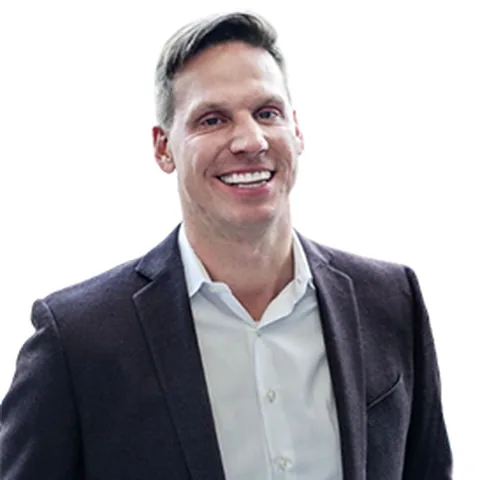
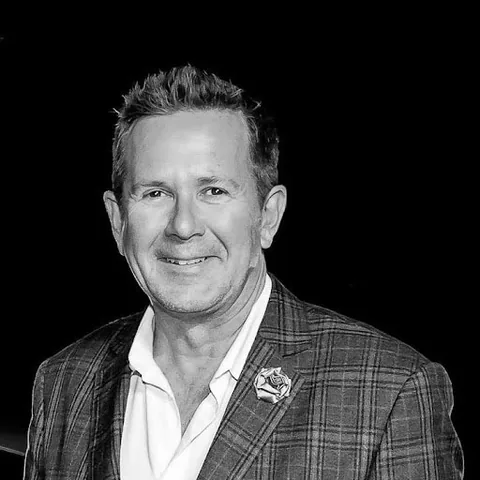
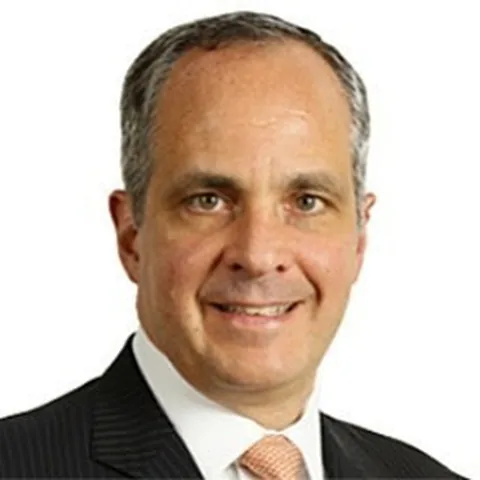
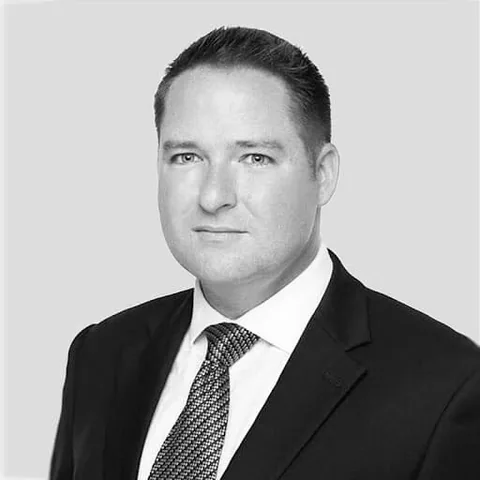
The team spans origination and verification, capital markets and structuring, platform engineering, and the compliance functions a licensed entity is required to name. Operations run from Bermuda, the United States, Europe and Latin America.
Real, additional, independently verified reduction and removal, evidenced at the asset rather than asserted in a report.
Instruments institutions can hold, value, finance and trade. Carbon that behaves like an asset rather than a cost.
The mandate fails if either half is dropped. Climate outcome without financial standing does not scale, and financial standing without verified outcome is the problem the market already has.
Triangle Advisory works with organisations before the procurement question arrives: what the reporting obligation actually is, which parts of the footprint can be reduced rather than compensated, and what a defensible carbon strategy looks like for a specific balance sheet.
That work runs independently of whether an organisation ever buys a credit through Triangle. Advice that presumes the answer is not advice.
Engagements cover sustainability strategy, reporting readiness under IFRS, ISSB, CSRD and TCFD, carbon strategy design, and support for sovereign and public sector programmes.
Governments and municipalities are not usually buying carbon. They are trying to measure it across a portfolio they do not directly control, then report it consistently enough to set policy against.
Consolidated performance metrics across a city or a public estate need interval greenhouse gas monitoring at asset level, aggregated upward. That is the same digital twin and digital identity infrastructure the commercial side uses, pointed at a different question.
Triangle works with sovereign and public sector programmes on measurement, reporting design and market structure, including blended finance approaches where public capital is used to make private carbon investment viable.
One tonne of carbon dioxide equivalent either avoided or removed, verified against a published methodology and issued by an independent registry. The methodology and the verifier are what give it meaning. The tonne on its own does not.
Avoidance prevents emissions that would otherwise have occurred. Removal takes carbon out of the atmosphere and stores it. They are not interchangeable, they price differently, and buyers increasingly need removal specifically.
An Energy Attribute Certificate represents the environmental attributes of a unit of generated electricity. It is the only instrument that moves a market-based Scope 2 figure. A carbon credit does not, regardless of quality.
Permanently removing a credit from circulation so it cannot be resold or claimed again. Until retirement is recorded on chain, a credit is owned, not used, and should not be described as retired.
The Bermuda Monetary Authority operates a digital asset regime that allows a carbon credit to be minted into a regulated financial instrument under supervision. That supervision is what makes the asset usable by banks, funds and auditors.
A global economy where carbon is a trusted, secured institutional asset class, where reaching net zero strengthens a business instead of taxing it, and where the value of every credit reaches the producers removing carbon at the source.
To be the institutional infrastructure for the carbon economy, integrating its fragmented value chain into one secured asset class, and giving any business the on-demand infrastructure to create, hold, or retire carbon with institutional rigor.


Whether that is a carbon strategy conversation or a platform integration.