For your industry
Insurance and reinsurance
Carbon exposure runs through your book twice: in what you underwrite and in what you hold. Both need instruments a risk committee recognizes.
Carbon exposure runs through your book twice: in what you underwrite and in what you hold. Both need instruments a risk committee recognizes.
Underwriting climate risk and reporting financed emissions are the same problem seen from two sides. Insurers carry carbon in the investment portfolio and in the liabilities they write, and neither side accepts an offset certificate as evidence.
An asset that can be rated and insured is the precondition for treating carbon as anything other than a cost line.
Each credit is issued as a regulated financial instrument with a serial, methodology and verification attached, which is what makes a policy writable against it.
Regulated assets sit with qualified custodians and on the balance sheet, so a carbon allocation behaves like the rest of the book.
Digital twins give continuous operating data from the source, so risk is priced on measured performance rather than an annual attestation.
The instrument, the evidence and the custody chain are the parts that matter here.
Relm Insurance is a Triangle partner.
Carbon stopped being discretionary. These are the rules that put it on your desk, and what each one actually asks for.
Operating data from the projects you underwrite becomes the input, and the output is an instrument a policy can be written against.
Every step is the same infrastructure described on Platform and Services, pointed at your assets.
Digital twinning takes a physical asset and creates a virtual representation carrying transparent, current data on how it performs. Operating, economic, insurance and carbon information flow from the same record, so performance is benchmarked rather than estimated.
Twins give the underwriting side continuous operating data from the projects and assets being covered, which is the difference between pricing on a model and pricing on performance.
In traditional asset administration the data stops at the operator. A twin lets you organise it, route it to defined stakeholders on a permissioned basis, and cut the cost of administering the asset while improving how it runs.
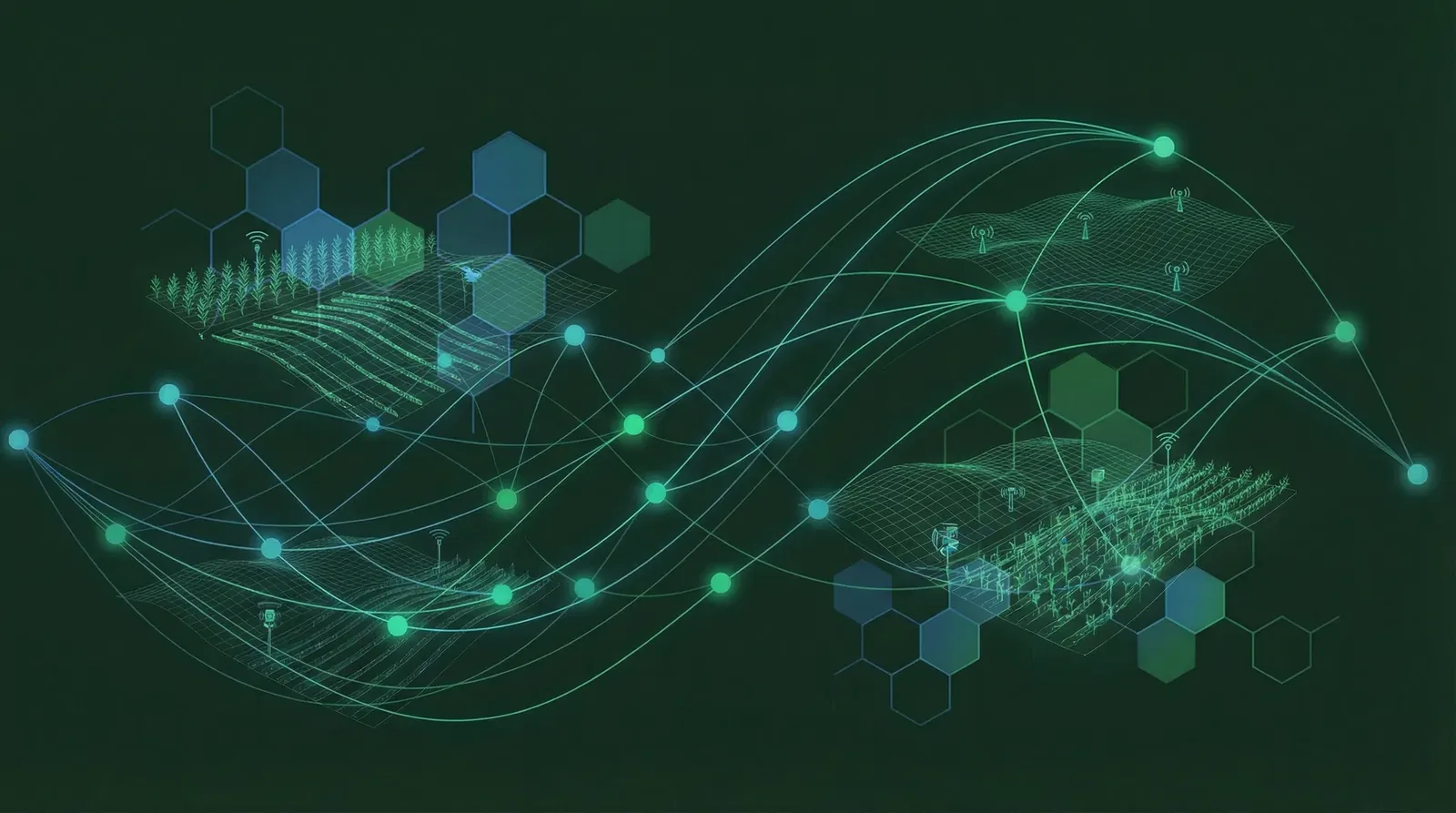
Once measurement and verification are certified by a D-MRV partner, Triangle creates the asset in the Asset Factory and lists it on the registry. Carbon credits require regulatory oversight, which is why issuance sits inside a BMA-licensed entity rather than beside one.
Certificates and registry credits from partner protocols are converted into fungible, serialized regulated assets. Triangle mints carbon credits and RECs so customers can custody them and use them for compliance.
Minted assets are held in custody, including at the customer's own bank, where they carry balance-sheet value, can be pledged as collateral, rated and insured.
Assets are posted to the deal listings to sell, bought by other parties for their compliance needs, or held for appreciation. Settlement and retirement are recorded per serial.
Triangle has partnered with leading registries and protocols to convert their certificates into fungible assets, across cover crops, dairy, forestry, methane capture and engineered removal.
The registry gives buyers and sellers the same view: what the asset is, where it came from, who has held it and what has happened to it. Auditability and verifiability are the point of it, not a feature of it.
Because issuance happens inside a regulated entity, what comes out is a financial asset that can be transacted between buyer and seller rather than a certificate that has to be explained.
Scope 3 is a data-routing problem before it is a carbon problem. Triangle gives every stakeholder a digital identity with nested attributes for Scopes 1 to 3, aggregates them by category, and routes the result to whoever is entitled to see it, annually, monthly or in real time depending on how sophisticated the counterparty is.
| What moves | How it is held | Who it reaches |
|---|---|---|
| Underwritten emissions | Digital ID per policy or project | Underwriting, reserving, reinsurance |
| Investment emissions | Digital ID per holding | Group reporting, regulators |
| Held assets | Serial, custody, settlement | Custodian, auditors, raters |
Both sides of the book route through the same structure, which is what lets group reporting reconcile.
The same tonne behaves very differently depending on what it is issued as. This is the difference in your numbers.
A regulated, ratable instrument is something you can write policies against.
Held in the investment portfolio like any other asset, with custody and a settlement record.
Continuous verified data lowers the uncertainty premium.
Tell us about your situation and we will route it to the right person.